Swing Batter: A Designer’s Take on Timeless Sports Embroidery
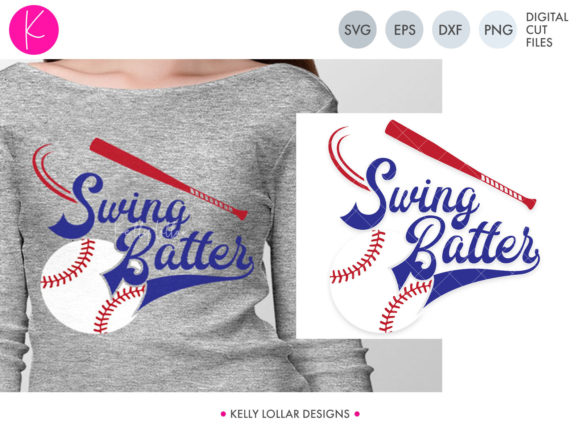
As someone who has spent countless hours digitizing, stitching, and troubleshooting machine embroidery designs, I approach every new file with a mix of curiosity and skepticism. We have all been there: you download a digital embroidery file that looks crisp on the screen, only to find it puckers the fabric or loses its charm once the needle hits the cloth. That is why I took a close look at Swing Batter, a baseball and softball quote design featuring a swinging bat and ball. This isn’t just another sports graphic; it is a piece of Crafts and Graphics content that aims for longevity rather than fleeting trends.
First Impressions: Mood and Visual Personality
The first thing that strikes me about Swing Batter is its timeless feel. In the world of sports apparel, trends come and go quickly. Neon colors, aggressive fonts, and overly complex illustrations often date a product within a single season. This design, however, leans into a classic aesthetic. The layout balances the text with the dynamic imagery of the bat and ball in a way that feels organic rather than forced. For an Etsy seller or a small shop product creator, this is gold. It means the design will remain relevant for years, allowing you to build a consistent inventory without constantly chasing the next big thing.
The visual personality is playful yet clean. It captures the energy of the game without relying on excessive detail that could complicate the stitching process. When I visualize this as a machine embroidery design, I see potential for high clarity. The shapes are distinct, which suggests that the digitizer likely considered stitch direction and coverage carefully. This is crucial for maintaining the integrity of the image, especially when scaled for different products.
Real-World Application: From Mockup to Finished Product
To truly evaluate a design, you have to imagine it in action. I recently worked on a custom order for a local little league team’s end-of-season gifts. They wanted something that felt personal but professional. I pulled up Swing Batter to test how it would translate to a heavy cotton tote bag. The result was impressive. The quote provided a clear message, while the swinging bat and ball added a visual anchor that drew the eye.
This design shines in several specific scenarios. For custom apparel, such as sweatshirts or hoodies, the design’s balanced proportions work well on the chest or upper back. On a sweatshirt embroidery project, the texture of the fleece can sometimes swallow small details, but the bold lines here should hold up nicely if the stitch density is managed correctly. I also envision this working beautifully as an embroidered patch. Patches are trending heavily right now, and a self-contained graphic like this allows for clean edges and easy application onto jackets, hats, or bags.
For those running a craft business, versatility is key. This design fits seamlessly into holiday embroidery collections for Father’s Day or opening day celebrations. It also works for baby embroidery projects, such as onesies or bibs for the youngest fans, provided you scale it down appropriately. The "timeless" aspect mentioned in the description holds true here; a grandparent buying a personalized gift wants something that won’t look outdated in photos five years from now.
Technical Considerations for Embroiderers
While the aesthetic appeal is strong, we must discuss the technical execution. Any experienced designer knows that a pretty picture does not always equal a smooth stitch-out. Here are my practical notes for using Swing Batter in your next embroidery project.
- Fabric Selection: This design likely performs best on medium-weight fabrics like cotton twill, denim, or stable knits. Be cautious with thin or stretchy fabrics. If you are stitching on a lightweight t-shirt, use a cut-away stabilizer to prevent distortion. The movement implied by the "swinging" motif requires stable grounding to look sharp.
- Stitch Types and Density: Without seeing the actual file properties, I recommend checking the stitch count and density before running a full production batch. Look for a mix of satin stitch for borders and text, and fill stitch for the ball or larger graphic elements. If the text is small, ensure it isn’t too dense, which can cause thread breaks or fabric puckering. A running stitch outline might be used for finer details to keep the profile low.
- Hoop Size and Placement: Confirm the recommended hoop size. If you are placing this on a cap, remember that curved surfaces distort designs. You may need to adjust the pull compensation or choose a smaller hoop size to maintain proportion. Always test on scrap fabric first, ideally the same type you plan to use for the finished product.
- Thread Colors: Contrast is your friend. Since this is a sports theme, traditional team colors work well, but don’t be afraid to experiment. Test the design in black and white mockups first to ensure the shapes are recognizable without color reliance. This is particularly important for printable mockup previews you might use in your online store.
Navigating Challenges: Where to Be Careful
No design is perfect for every situation. There are areas where Swing Batter requires careful handling. If you are working with textured fabrics like terry cloth towels or thick fleece, small details in the lettering or the ball’s seams might get lost. In these cases, consider simplifying the design or increasing the size slightly to preserve clarity.
Additionally, be mindful of dark fabrics. If the design relies on light thread colors, ensure your underlay stitches are sufficient to cover the background fabric. Poor underlay can lead to a messy appearance, undermining the professional look you aim for in commercial embroidery projects. For items that need frequent washing, such as kids’ clothes or kitchen towels, verify that the stitch connections are secure. Loose threads or poorly tied off ends can unravel after a few cycles, leading to customer dissatisfaction.
Value Proposition for Small Business Owners
Why choose Swing Batter over other sports designs? It comes down to brand consistency and customer trust. A clean, well-executed design signals professionalism. When customers see a crisp, well-stitched graphic on a tote bag design or a hat, they perceive higher value. This perception allows you to price your handmade product competitively while maintaining healthy margins.
For design assets libraries, having a reliable, evergreen sports design is essential. It serves as a staple item that can be customized with names, numbers, or team logos. This flexibility makes it a powerful tool for personalized gift offerings. Whether you are creating a unique item for a client or stocking your shop with ready-to-ship goods, this design offers the reliability needed for commercial success.
Final Verdict
Swing Batter is a solid addition to any embroiderer’s library. It balances aesthetic appeal with practical usability. While you should always perform your own tests regarding stitch density and fabric compatibility, the foundational design principles here are sound. It respects the craft, offering a timeless look that appeals to a broad audience. For those looking to expand their Crafts and Graphics portfolio with reliable, high-quality sports themes, this design deserves a spot in your rotation. Just remember to check the specific license terms for commercial use, confirm the file formats compatible with your machine, and always stitch out a test sample before committing to final production.