King Cake Baby: A Designer’s Take on Mardi Gras Embroidery
As an embroidery designer who has spent countless hours digitizing and stitching out designs for clients, I have learned that not every cute graphic translates well to thread. When I first pulled up the King Cake Baby file, my initial reaction was one of cautious optimism. The concept—combining the festive spirit of Mardi Gras with the innocence of a baby’s first celebration—is a strong niche hook. But does it hold up under the needle? After reviewing the layout, considering the stitch potential, and imagining it on various garments, I am ready to share my practical assessment for fellow makers, Etsy sellers, and craft business owners.
First Impressions: Mood and Visual Personality
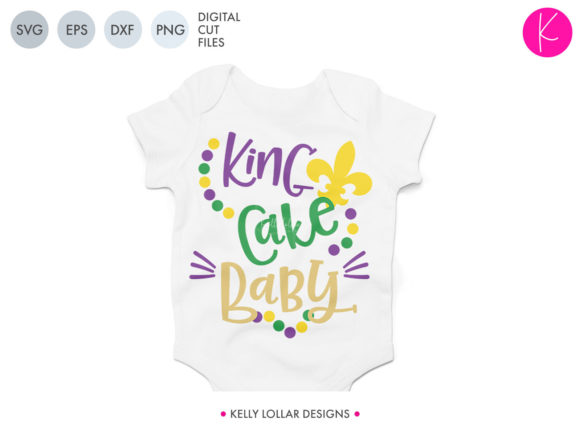
The King Cake Baby design immediately establishes a playful, celebratory mood. It features the iconic phrase "Baby's First Mardi Gras," surrounded by classic symbols like beads and the Fleur de Lis. What stands out to me is the balance between text and iconography. In many holiday-themed graphics, the elements can feel cluttered or disconnected. Here, the accent lines help tie the composition together, creating a cohesive unit rather than a random assortment of clip art.
For those of us in the Crafts and Graphics space, visual flow is critical. The design feels rounded and soft, which aligns perfectly with the target audience: infants and toddlers. It avoids sharp, aggressive angles, opting instead for curves that mimic the shape of a baby bodysuit or a rounded tote bag. This visual personality suggests warmth and festivity, making it an ideal candidate for seasonal collections.
Real-World Application: Where This Design Shines
I always test new assets by mentally placing them on actual products. For King Cake Baby, the most obvious application is baby apparel. Imagine this stitched onto a white or pastel onesie using vibrant purple, green, and gold threads. The contrast would be striking, and the sentiment makes it a perfect personalized gift for parents expecting a February or March baby.
Beyond bodysuits, I see significant potential in custom apparel for older siblings or parents. A matching sweatshirt embroidery for a mom or dad, perhaps placed on the left chest or as a larger back print, could drive bundle sales for small shop products. The design also works exceptionally well on tote bags. A canvas tote featuring this motif becomes a functional keepsake for carrying diaper bag essentials or party favors.
For Etsy sellers looking to expand their holiday embroidery offerings, this design fits neatly into the "milestone" category. It is not just about the holiday; it is about marking a specific moment in time. This emotional connection increases the perceived value of the finished product, allowing crafters to command a higher price point compared to generic seasonal decor.
Technical Considerations for Stitching Success
While the aesthetic is appealing, the technical execution requires attention. As a reviewer, I must point out areas where caution is needed. The design includes text and detailed elements like beads and Fleur de Lis. If you are working with a smaller hoop size, ensure that the lettering remains legible. Tiny lettering can easily become a blob of thread if the stitch density is too high or if the fabric texture is rough.
Fabric choice matters immensely here. For baby embroidery, you are likely working with knits or soft cottons. These materials require proper stabilization. I strongly recommend using a cut-away stabilizer for garments that will be washed frequently, such as bodysuits and t-shirts. A tear-away might suffice for decorative items like pillow covers or wall hangings, but for wearable custom apparel, durability is key.
Another consideration is the color palette. Mardi Gras colors are bold, but they can bleed visually if not managed correctly. When selecting thread colors, test the contrast against your fabric. If you are stitching on a dark navy sweatshirt, standard purple threads might disappear. In such cases, consider using a lighter lavender or adding a satin stitch border to define the edges. Always check your design in a black-and-white mockup first to ensure the values separate clearly.
Navigating Challenges: Small Hoops and Curved Surfaces
If you plan to use King Cake Baby on curved surfaces like caps or hats, be mindful of distortion. The accent lines and circular bead motifs may warp if the fabric is not hooped tightly enough. Using a stiff backing or cap frame is essential. Additionally, avoid placing the design too close to the seams of a structured hat, as the needle may hit the seam allowance, causing skipped stitches or broken needles.
For those interested in creating an embroidered patch, this design is a strong contender. Patches allow for higher stitch density and more intricate details without worrying about fabric stretch. However, verify the scale. If the design is too small, the satin stitch elements might become bulky. Adjust the scaling in your embroidery software if necessary, but keep in mind that resizing too much can distort the stitch angles.
Commercial Viability and Brand Consistency
From a business perspective, King Cake Baby is a versatile asset. It appeals to a specific demographic but has broad appeal within that group. For boutique branding, consistency is vital. If your shop specializes in high-quality handmade products, ensure that your stitching matches the professionalism of the design. Loose threads or poor tension will undermine the cute aesthetic.
This design also serves well in digital product previews. If you are selling the digital embroidery file itself, create printable mockups that show the design on various items. Show it on a bib, a blanket, and a shirt. This helps buyers visualize the end result and increases buyer engagement. Remember, customers are buying the dream of the finished product, not just the code of the design assets.
Practical Designer Notes Before You Stitch
Before you commit to a full production run or a client order, follow these steps:
- Test on scrap fabric: Always stitch a sample on the same material you intend to use for the final product. This reveals issues with tension and registration.
- Check thread color contrast: Ensure the purple, green, and gold stand out against your chosen background. Adjust shades if necessary.
- Review stitch density: If the design feels stiff after stitching, reduce the density in your software to improve drape, especially for baby clothes.
- Confirm hoop size: Measure the design dimensions against your machine’s maximum hoop area to avoid resizing errors.
- Inspect small details: Zoom in on the Fleur de Lis and beads. Are the running stitch paths clear? Are there any unnecessary jumps?
- Verify licensing: If you are an Etsy seller or run a craft business, confirm the license terms for the digital embroidery file. Ensure you are cleared for commercial embroidery and selling finished items.
In conclusion, King Cake Baby is a charming and commercially viable design for the right projects. It captures the joy of Mardi Gras while remaining appropriate for infant wear. With careful attention to stabilizer choice, thread selection, and hoop management, it can become a standout piece in your spring collection. Whether you are creating a personalized gift or stocking your small shop with holiday embroidery options, this design offers a solid foundation for creative expression. Just remember: the difference between a good stitch-out and a great one lies in the preparation.