Reviewing I Love My Cat Fur Baby for Real Stitching
As a designer who spends more time staring at stitch simulations than actual fabric, I have learned to be skeptical of cute concepts. We see thousands of digital embroidery files cross our desks every month, promising charm and simplicity. But when it comes to the needle hitting the cloth, theory often clashes with reality. Recently, I pulled up I Love My Cat Fur Baby to evaluate its potential for a upcoming batch of custom orders. This isn’t just another generic pet graphic; it is a specific piece of Crafts and Graphics content that demands a closer look before you commit it to your hoop.
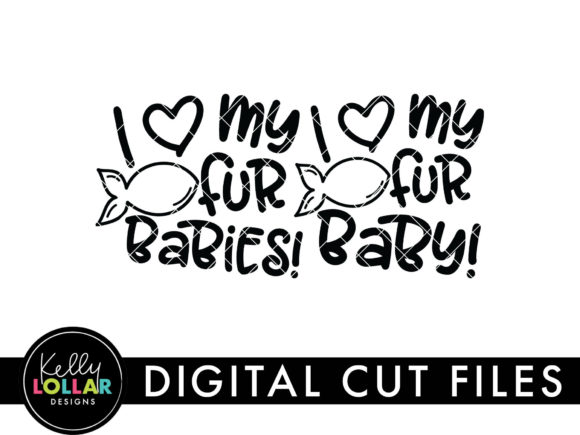
The first impression of this design is its approachable warmth. The "chunky" quote style suggests a modern, hand-lettered aesthetic that has become incredibly popular in boutique branding. When I loaded the file, the layout felt balanced. The inclusion of the fish toy adds a playful narrative element that breaks up the text, preventing the design from feeling too heavy or static. For cat lovers, this visual cue is immediate and effective. It creates a mood that is less about high-fashion minimalism and more about cozy, relatable affection. This is crucial because embroidery is tactile; the design needs to feel as good as it looks.
Real-World Application: The Tote Bag Test
To truly understand how I Love My Cat Fur Baby performs, I imagined a specific real-life scenario: a custom order for a local pet sitter who wanted branded merchandise. She needed something durable, visible, and charming for her client interactions. A canvas tote bag was the obvious choice. This is where the design’s structure shines. The bold lettering of the quote ensures readability from a distance, which is essential for a walking advertisement like a tote.
However, the "chunky" nature of the font requires careful attention to stitch density. If the fill stitches are too dense, the fabric will pucker, ruining the clean lines of the letters. If they are too sparse, the backing fabric might show through, especially if using a lighter thread color on a natural canvas. In my simulation, the design held up well, but I noted that a medium-weight cut-away stabilizer would be non-negotiable here. The fish toy detail, likely utilizing a combination of satin stitch for the outline and fill stitch for the body, adds a nice textural contrast to the blocky text. This variation in texture elevates the finished product from a simple print-like application to a true embroidery piece.
Versatility Across Product Lines
Beyond totes, this design has significant potential in custom apparel. Imagine this stitched onto the left chest of a heavyweight sweatshirt. The scale seems appropriate for a 4x4 or 5x7 hoop, making it versatile for various machine sizes. For an Etsy seller or small shop owner, this versatility is a major selling point. You can market it as a personalized gift for new cat owners, a humorous addition to a holiday embroidery collection, or even as part of a matching set with human and pet accessories.
The design also translates well to home decor. A kitchen towel or a pillow cover featuring I Love My Cat Fur Baby could anchor a cozy reading nook. The playful theme fits perfectly into the current trend of maximalist, personality-driven home goods. However, when moving to textured fabrics like terry cloth towels, you must consider how the running stitch details might get lost. In such cases, increasing the stitch count slightly or choosing high-contrast thread colors becomes essential to maintain clarity.
Navigating Technical Challenges
While the design is charming, it is not without its technical pitfalls. Experienced embroiderers know that text-heavy designs are risky on curved surfaces. Placing I Love My Cat Fur Baby on a cap requires precise positioning. The curvature of the crown can distort the horizontal alignment of the quote, making it appear to arch unnaturally. If you attempt this, use a strong stabilizer and consider hooping the cap with a specialized fixture to minimize shifting.
Another area of caution is fabric choice. Thin or stretchy fabrics, such as lightweight jersey t-shirts, can struggle with the weight of a chunky quote. Without proper stabilization, the fabric may gather around the stitches, creating an unsightly ripple effect. For these materials, I recommend testing a smaller version of the design first or opting for an applique design variation if available, which reduces the stitch count and bulk. Additionally, dark fabrics present a challenge for visibility. If the design relies on subtle shading in the fish toy, it may disappear on black navy material. Always test your embroidery file on scrap fabric that matches your final product’s color and texture.
Enhancing Brand Value and Customer Trust
From a business perspective, the quality of your design assets directly impacts customer trust. A clean, well-digitized design like I Love My Cat Fur Baby signals professionalism. When customers see crisp edges and consistent stitch direction, they perceive higher value. This is particularly important for commercial embroidery projects where brand consistency is key. A sloppy stitch-out can damage a reputation faster than a late delivery.
Moreover, the emotional connection inherent in the "fur baby" theme drives engagement. People love to share photos of their pets and their pet-related purchases. A well-executed embroidery project becomes social media content, offering organic marketing for your craft business. The design’s appeal lies in its ability to spark conversation. It is not just a shirt; it is a statement of identity. This emotional resonance can justify a higher price point for your handmade product, as buyers are paying for the sentiment as much as the labor.
Practical Notes for the Embroiderer
Before you start stitching, take a moment to review the technical specifications. Since exact details like stitch count and file formats are not provided in the basic description, you must check these before purchase or use. Ensure the hoop size compatibility matches your machine. If you are planning to sell items made with this design, confirm the licensing terms. Most commercial licenses allow for physical sales but restrict the redistribution of the digital file itself.
- Test on Scrap: Always run a test stitch-out on the same fabric type you intend to use for the final product.
- Check Contrast: View the design in black and white to ensure the details remain visible without color reliance.
- Stabilizer Selection: Use cut-away stabilizer for stretchy fabrics and tear-away for stable woven fabrics.
- Thread Quality: High-quality thread reduces breakage and improves the sheen of the satin stitches.
- Needle Choice: Use a ballpoint needle for knits and a sharp needle for wovens to prevent fabric damage.
In conclusion, I Love My Cat Fur Baby is a strong contender for any designer’s library. It balances trendiness with timeless affection, making it suitable for a wide range of embroidery projects. By respecting the technical requirements of the design and understanding its best use cases, you can create products that delight customers and stand the test of time. Whether you are creating a single personalized gift or stocking your small shop product line, this design offers the charm and versatility needed to succeed in today’s competitive market.