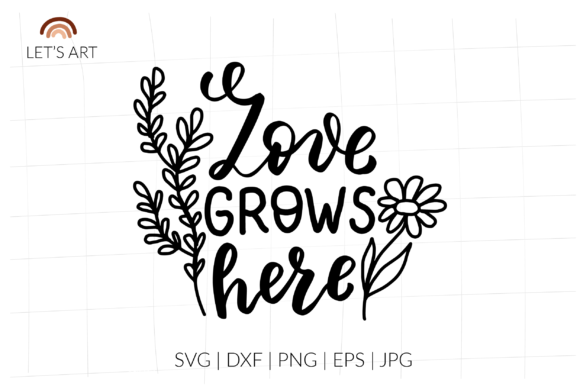
Reviewing Love Grows Here Spring Hand Lettering for Embroidery
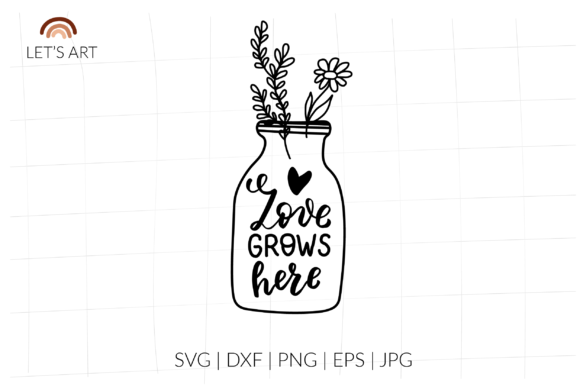
As a designer who spends half my life digitizing and the other half stitching, I have learned that not every pretty graphic translates well to thread. We often get swept up in the visual appeal of a digital embroidery file on screen, forgetting the physical reality of needle penetration, thread tension, and fabric behavior. Recently, I took a close look at Love Grows Here Spring Hand Lettering, a brush calligraphy quote paired with wildflowers, to see if it holds up under the scrutiny of real-world production. This is not just a review of aesthetics; it is an evaluation of how this design functions as a practical asset for crafters, Etsy sellers, and boutique owners.
First Impressions: Mood and Visual Personality
The first thing that strikes you about Love Grows Here Spring Hand Lettering is its organic warmth. The brush calligraphy style avoids the rigid perfection of standard fonts, offering a hand-drawn feel that resonates deeply with the current trend toward authentic, handmade goods. The inclusion of wildflowers softens the text, creating a balanced composition that feels both rustic and refined. For those of us in the Crafts and Graphics space, this duality is crucial. It is decorative enough to stand alone as a focal point but subtle enough to serve as an accent on larger garments.
The layout suggests a springtime renewal theme, making it inherently versatile. It does not scream for attention with aggressive colors or sharp angles; instead, it invites the viewer in. This gentle approach is exactly what customers look for in personalized gifts and nursery decor. However, as a reviewer, I must look past the mood and examine the structure. How will those delicate flower petals stitch out? Will the varying thickness of the brush letters maintain clarity when converted from a PNG or JPG source into actual stitches?
Real-World Application: From Screen to Stitch
To truly test the viability of this design, I imagined several common production scenarios. Let’s start with a custom embroidered tote bag. Canvas is a forgiving fabric, providing a stable base for the fill stitch areas likely required for the denser parts of the lettering. The Love Grows Here Spring Hand Lettering design would sit beautifully centered on a natural cotton tote, appealing to eco-conscious buyers who appreciate botanical motifs. The wildflowers add a touch of whimsy that elevates the product from a simple bag to a statement piece.
Consider also its use on a sweatshirt. Fleece and French terry are thick, textured fabrics. Here, the design’s legibility becomes paramount. If the original graphic relies on very thin lines for the flower stems, they might get lost in the pile of the fabric. A smart embroiderer would adjust the stitch density or opt for a satin stitch border to define the edges clearly. For baby embroidery, such as a onesie or a burp cloth, the softness of the design is a major selling point. Parents gravitate toward gentle imagery, and this hand-lettered quote fits that niche perfectly. However, one must be cautious with hoop size and placement to ensure the design does not distort on stretchy knits.
For Etsy sellers and small shop owners, this design offers strong commercial potential. It works exceptionally well for holiday embroidery projects, particularly for Mother’s Day or spring-themed collections. The phrase "Love Grows Here" is emotionally resonant, making it ideal for wedding gifts or housewarming presents. When used on kitchen towels or aprons, it adds a layer of personalization that mass-produced items lack. The key to success here is presentation. Using high-quality printable mockup assets derived from the included JPG and PNG files can help sellers visualize the final product before they even thread the machine.
Technical Considerations and Fabric Compatibility
While the aesthetic is strong, technical execution requires attention to detail. The product description notes that the download includes JPG and PNG files at 300 dpi. It is critical to understand that these are graphic files, not native machine embroidery formats like PES or DST. This means the user must either digitize the design themselves or use auto-digitizing software with caution. Auto-digitizing often struggles with brush calligraphy, potentially creating jagged edges or excessive running stitch paths that do not capture the fluidity of the original art.
If you are planning to use this on dark fabric, thread color contrast is your best friend. A light pastel thread on a navy sweatshirt will pop, but you must ensure the stitch coverage is dense enough to prevent the background fabric from showing through. Conversely, on thin fabrics like linen or lightweight cotton, a heavy fill stitch can cause puckering. Using the right stabilizer is non-negotiable. A cut-away stabilizer might be necessary for garments that will undergo frequent washing, ensuring the design remains intact and the fabric does not distort over time.
Curved surfaces, such as caps or hats, present another challenge. The width of the Love Grows Here Spring Hand Lettering design needs to be checked against your hoop size. If the design is too wide, it may not fit comfortably on a standard cap hoop without distorting the lettering. In such cases, scaling down the design might compromise the readability of the smaller wildflower details. It is always advisable to test the design on scrap fabric first, especially when working with difficult materials or complex shapes.
Enhancing Brand Value and Customer Trust
From a business perspective, the quality of your design assets directly impacts your brand consistency. Using a cohesive set of design assets like this helps build a recognizable style. When customers see the same thoughtful typography and botanical elements across your custom apparel, embroidered patch collections, and home decor, they begin to trust your eye for detail. This trust translates into higher perceived value. A well-executed embroidery project signals professionalism, encouraging buyers to return for future purchases.
Moreover, the versatility of this design allows for cross-promotion. You might sell the finished embroidered item, such as a pillow cover, while also offering digital versions of the artwork for other crafters. This dual approach maximizes the utility of the digital embroidery file and associated graphics. However, always confirm licensing terms before selling finished items or digital products. Understanding whether the license allows for commercial use is a fundamental step for any serious craft business.
Final Verdict for Makers and Designers
Love Grows Here Spring Hand Lettering is a compelling choice for designers looking to add a touch of springtime elegance to their portfolio. Its strength lies in its emotional resonance and adaptable aesthetic. Whether you are creating a tote bag design for a local market or a personalized gift for a client, this graphic provides a solid foundation. However, its success depends entirely on the executor’s skill in translating the 2D image into a 3D stitched reality.
My advice is to treat the provided JPG and PNG files as references rather than final stitch files unless you are confident in your digitizing abilities. Pay close attention to stitch direction, density, and fabric compatibility. Test extensively on different materials, from sturdy canvas to delicate knits. By doing so, you ensure that the final product not only looks beautiful but also withstands the rigors of daily use. For the experienced maker, this design is not just a graphic; it is an opportunity to showcase craftsmanship and create something truly meaningful.