Review: Winter Hair Don t Care Embroidery Design
As a designer who spends more time staring at stitch simulations than I do at my own reflection, I have learned to be skeptical of trendy quotes. The market is flooded with text-heavy graphics that look crisp on a screen but turn into a tangled mess under the needle. However, when I first loaded the Winter Hair Don t Care file into my software, I paused. It wasn’t just another generic winter clipart; it was a deliberate composition that balanced whimsy with technical feasibility. This review breaks down how this design performs in real-world applications, moving beyond the digital preview to the tactile reality of thread and fabric.
First Impressions: Mood and Visual Personality
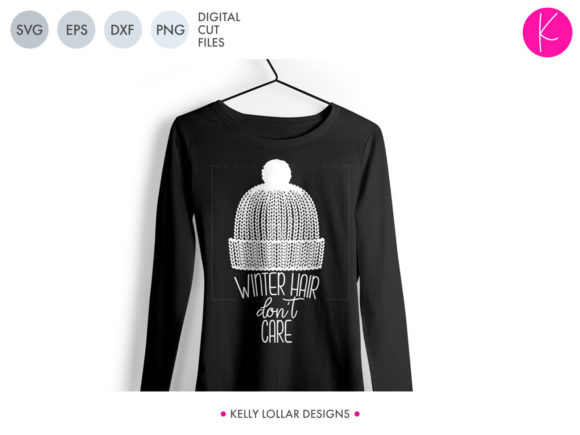
The immediate appeal of Winter Hair Don t Care lies in its relaxed attitude. The combination of a knit hat graphic with a thin, lettered quote creates a specific mood: cozy, unapologetic, and effortlessly cool. For embroidery designers, the visual personality is crucial. You aren’t just selling a stitch pattern; you are selling a feeling. This design captures the essence of snow days without relying on overly complex snowflakes or dense backgrounds that drive up stitch counts unnecessarily.
The layout is clean. The thin lettering suggests a modern, minimalist aesthetic, while the knit hat adds a touch of traditional warmth. This duality makes it versatile. It doesn’t scream "holiday novelty" in a way that limits its shelf life to December 25th. Instead, it fits comfortably into the broader category of winter lifestyle Crafts, appealing to customers who want to celebrate the season’s slower pace. As a piece of digital Graphics, it holds up well in mockups, but the true test is always in the hoop.
Real-World Application: From Screen to Sweatshirt
To truly evaluate this machine embroidery design, I visualized it on a heather grey crewneck sweatshirt. This is a staple item for any Etsy seller or small shop owner. The contrast between the soft, textured fabric of a sweatshirt and the structured lines of the embroidery creates a high-value finished product. The knit hat element, likely utilizing a mix of fill stitch and satin stitch borders, would provide a nice tactile contrast against the fleece interior.
I also considered this design for a canvas tote bag design. Here, the durability of the stitch becomes paramount. A tote bag undergoes significant stress. If the stitch density is too low, the fabric might show through, ruining the legibility of the thin quote. If it is too high, the bag could pucker. In my assessment, this design seems balanced for medium-weight fabrics. It would also make an adorable addition to baby items, such as a burp cloth or a onesie, provided the size is scaled down appropriately. The phrase resonates with parents navigating the chaotic, messy realities of winter parenting, making it a strong candidate for a personalized gift.
Considerations for Challenging Surfaces
While the design is charming, it requires careful handling on certain materials. Curved surfaces, like baseball caps, present a challenge for any design with horizontal text. The thin lettering in Winter Hair Don t Care could distort if the cap’s curvature is not accounted for during digitizing or hooping. I recommend using a strong, cut-away stabilizer to prevent shifting. Similarly, on stretchy fabrics like jersey knits, proper stabilization is non-negotiable to maintain the integrity of the fine lines.
Dark fabrics require special attention to thread colors. The thin letters must pop against the background. If you are stitching on navy or black, ensure you use a high-contrast thread, such as bright white or silver, to maintain readability. A poor color choice here would render the quote invisible, defeating the purpose of the design. Always test your embroidery file on scrap fabric of the same type and color before committing to the final garment.
Technical Performance and Stitch Clarity
The success of any text-based embroidery relies on stitch clarity. Thin lettering is notoriously difficult to execute because there is little room for error. In this design, the spacing between characters appears sufficient to prevent thread bridging, a common issue where threads connect unintentionally between letters. However, the user must ensure their machine tension is perfectly calibrated. Loose tension can cause loops that obscure the delicate nature of the font.
For those interested in creating an embroidered patch, this design is an excellent candidate. Patches allow for higher stitch density without worrying about fabric puckering, as the backing is typically stiff. A patch featuring this design could be sold as a standalone accessory or used to embellish denim jackets and beanies. This expands the commercial potential for craft business owners who offer modular add-ons to their collections.
Enhancing Brand Value and Customer Trust
Using high-quality design assets like Winter Hair Don t Care directly impacts brand consistency. When a customer receives a handmade product with clean, professional stitching, it builds trust. Sloppy embroidery, caused by poor design files or lack of testing, damages reputation. This design, with its clear lines and balanced composition, supports a professional image. It signals to the buyer that the creator cares about details.
For commercial embroidery projects, versatility is key. This design can be marketed across multiple niches: winter sports enthusiasts, teachers dealing with cold classrooms, or anyone who loves a good lazy Sunday. By offering this design on various products—from kitchen towel accents to pillow covers—you maximize its ROI. It is not just a single-use graphic; it is a flexible asset in your design library.
Practical Designer Notes for Best Results
- Test on Scrap Fabric: Never skip this step. Check for puckering, especially with the thin lettering.
- Check Thread Contrast: Ensure the quote is readable against your chosen fabric color. High contrast is essential for thin fonts.
- Review Stitch Density: If the design feels too light on heavy fabric, consider adding a subtle backing or adjusting underlay stitches if you have editing capabilities.
- Confirm Hoop Size: Verify the dimensions fit your intended product. A design that is too large for a chest pocket will look awkward.
- Inspect Small Details: Zoom in on the knit hat texture. Ensure the stitches are not so dense that they perforate delicate fabrics.
- Licensing Verification: Always confirm the license terms. Can you sell finished items? Can you use it in digital mockups? Clarify this before listing products.
Final Verdict for Makers and Sellers
The Winter Hair Don t Care design is a solid addition to any winter-themed collection. It balances aesthetic appeal with practical stitchability. For the small shop product line, it offers a fresh alternative to overused holiday motifs. It invites the viewer to slow down and enjoy the season, a message that resonates deeply in today’s fast-paced world.
Whether you are creating custom apparel for clients, stocking up for a craft fair, or designing printable mockup listings for your online store, this graphic delivers. It respects the limitations of the embroidery process while maximizing visual impact. Just remember to respect the material. Choose your fabrics wisely, stabilize correctly, and let the design do what it does best: bring a smile to a cold winter day. For any creative entrepreneurs looking to expand their winter inventory, this design is worth the hoop time.