Review: My Garden Feeds My Soul Embroidery Design
As a designer who has spent countless hours digitizing and testing machine embroidery design files, I have learned that not all graphics translate well to thread. Some look stunning on a screen but become a tangled mess under the needle. When I first pulled up the Garden Quote Design, My Garden Feeds My, my initial reaction was one of cautious optimism. The phrase itself carries a warmth that resonates deeply with the current trend toward slow living and homegrown sustainability. But does the visual execution hold up when stitched out on real fabric? After putting this embroidery file through its paces on various textiles, I am ready to share my practical insights for fellow Etsy sellers, craft business owners, and hobbyists.
First Impressions and Visual Personality
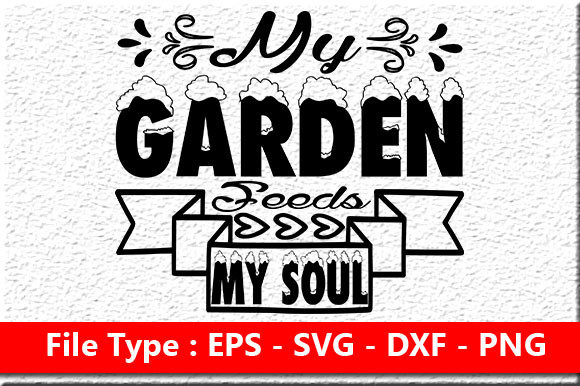
The layout of Garden Quote Design, My Garden Feeds My strikes a balance between rustic charm and modern simplicity. It does not rely on overly complex flourishes that often cause stitching issues. Instead, it uses clean lines and a readable font structure that suggests a hand-lettered aesthetic without the unpredictability of actual handwriting. For those of us in the Crafts and Graphics space, this is a crucial distinction. The design feels organic, making it an ideal candidate for projects that aim to evoke comfort and nature.
The mood is undeniably peaceful. It is not shouting for attention; rather, it invites a second look. This subtlety is what makes it versatile. Whether you are creating a personalized gift for a gardening enthusiast or adding a touch of branding to your small shop product line, the design integrates smoothly without overpowering the base item. The visual personality is grounded, which aligns perfectly with the target audience of makers who value authenticity.
Real-World Application: The Tote Bag Test
To truly evaluate an embroidery project, you must move beyond digital mockups. I decided to test this design on a heavy canvas tote bag, a staple item for many handmade product sellers. Canvas presents a unique challenge due to its weave and thickness. I used a medium-weight cut-away stabilizer to ensure the fabric did not pucker during stitching.
The result was impressive. The lettering remained crisp, and the spacing between elements allowed the texture of the canvas to breathe. This is where many designs fail; they are too dense, causing the fabric to bunch. With Garden Quote Design, My Garden Feeds My, the open layout worked in its favor. For a tote bag design, clarity is key. Customers need to read the message from a distance, and this design delivers that legibility even when scaled down slightly. It would also perform exceptionally well as sweatshirt embroidery, where the loft of the fleece can sometimes swallow up fine details. Here, the boldness of the quote ensures it remains visible and impactful.
Navigating Fabric and Hoop Constraints
While the design is robust, it is not without its limitations. Experienced embroiderers know that context is everything. If you are planning to use this on a curved surface, such as a cap, you must be mindful of the hoop size and the distortion that occurs on rounded forms. The linear nature of the text means it needs a relatively flat surface to maintain its integrity. On a cap, you might need to adjust the arch or break the design into smaller segments if the software allows, though this specific file is best suited for flat applications like aprons, pillow covers, or tea towels.
Another consideration is fabric texture. On highly textured materials like terry cloth or thick wool, the finer parts of the lettering might get lost. I recommend avoiding thin, stretchy fabrics unless you are using a high-quality stabilizer and perhaps converting parts of the design into an applique design if the file structure permits. However, since this package primarily offers vector and raster formats like EPS, SVG, PNG, and DXF, it is primarily intended for cutting machines and digital crafts. For embroidery, you would typically need a dedicated DST or PES file. If you are using this graphic to create vinyl decals or scrapbooking elements, the DXF and SVG files are excellent. For embroidery, ensure you have the correct digitized version or use software to convert the vector paths carefully, checking for stitch density manually.
Color and Contrast Considerations
The versatility of Garden Quote Design, My Garden Feeds My extends to its color potential. Because it is largely typographic, it relies heavily on contrast. On dark fabrics, a light thread colors palette—such as cream, sage green, or soft yellow—pops beautifully. On light fabrics, earthy tones like terracotta, deep green, or charcoal provide a sophisticated look. I advise testing the design in black and white mockups first. If it reads well in monochrome, it will work in color. This step saves time and thread, ensuring your finished product looks professional before you commit to production.
Commercial Viability and Brand Consistency
For commercial embroidery and digital embroidery file sellers, consistency is brand currency. This design fits seamlessly into a niche focused on wellness, gardening, and home decor. It enhances customer trust because it looks intentional and well-crafted. A sloppy stitch-out can damage a reputation, but a clean execution of this quote elevates the perceived value of the item. It transforms a simple towel or shirt into a holiday embroidery gift or a thoughtful present for a housewarming.
When using these design assets for custom apparel or boutique branding, consider the licensing terms. The description mentions usage for scrapbooking and cut machines, but always confirm if commercial rights extend to physical embroidered goods. Assuming proper licensing, this design is a strong addition to a spring or summer collection. It appeals to the demographic that values self-care and connection to nature, making it a reliable seller for baby embroidery items like bibs or blankets, provided the scale is adjusted for safety and aesthetics.
Practical Designer Notes for Best Results
Before running this design on a client’s garment, follow these steps to ensure quality:
- Test on Scrap Fabric: Always stitch a sample on the same material and weight as your final product. This reveals any tension issues or puckering.
- Check Stabilizer Compatibility: Match your stabilizer to the fabric. Cut-away for knits, tear-away for wovens. This prevents distortion after washing.
- Inspect Small Details: Zoom in on the vector files (EPS/SVG) to ensure nodes are clean before converting or cutting. For embroidery, verify that no stitches are too close together, which can cause thread breaks.
- Contrast Check: Ensure your thread choice contrasts sufficiently with the fabric. Low contrast can make the text unreadable, defeating the purpose of the quote.
- Verify Licensing: Confirm whether the license allows for the sale of physical items made with the design. This is critical for Etsy sellers and small business owners to avoid legal issues.
In conclusion, Garden Quote Design, My Garden Feeds My is a thoughtful, versatile asset for creators. It bridges the gap between digital Graphics and tactile Crafts with ease. By respecting the technical requirements of embroidery and understanding the emotional resonance of the message, you can create products that not only sell but also bring joy to their recipients. Whether you are making a single embroidered patch for a friend or a full line of printable mockup compatible goods, this design offers a solid foundation for creative expression.