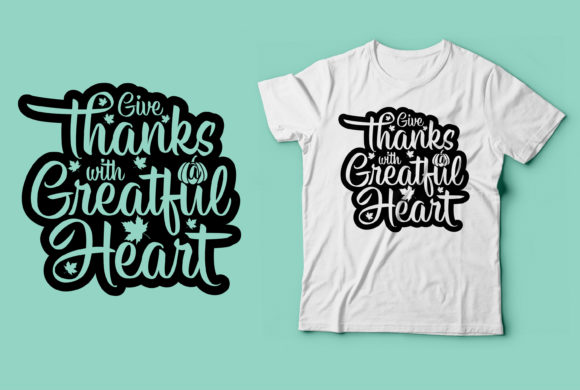
Reviewing the Thanks Giving T-shirt Svg Design for Embroidery
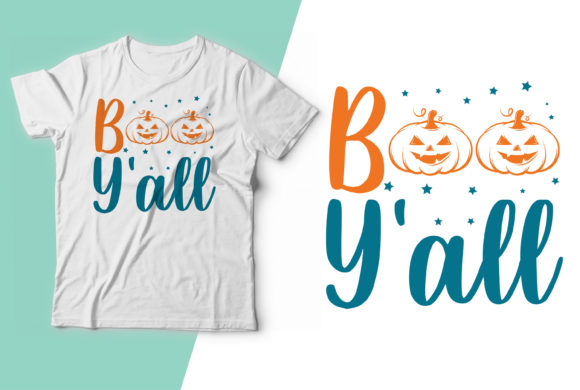
As a designer who spends more time staring at stitch simulations than I do sleeping, I have learned to approach digital assets with a healthy dose of skepticism. We often see files labeled for one purpose but designed for another. Today, I am taking a close, practical look at the Thanks Giving T-shirt Svg Design,craft. At first glance, the title suggests a seasonal autumn theme, yet the description hints at a playful, perhaps contradictory vibe dedicated to Halloween lovers. This juxtaposition is exactly where a professional eye needs to step in. Does this graphic translate well from a flat screen to textured fabric? Can it hold up under the needle of a commercial machine, or is it strictly for print-on-demand services? Let’s dig into the real-world application of this asset.
First Impressions and Visual Personality
When I loaded the file into my design software, the first thing I noticed was the structural integrity of the lines. Whether you are working with the SVG for cutting machines or converting the EPS for digitizing, the clarity of the vector paths is crucial. The design presents an adorable aesthetic, likely featuring bold shapes and readable typography. For embroidery, "adorable" usually implies rounded edges and friendly proportions, which are generally easier to stitch than sharp, intricate details that might bunch up.
The mood here feels versatile. While the product title mentions Thanksgiving, the description’s nod to Halloween lovers suggests a whimsical, perhaps slightly spooky-cute element. This duality makes it an interesting candidate for cross-seasonal merchandise. However, as an embroidery reviewer, I am less concerned with the holiday label and more focused on how the Graphics will behave when converted into thread. The separation of elements mentioned in the description ("on a separate board") is a positive sign. It implies that the text and the graphical icon can be manipulated independently, allowing us to adjust spacing for different hoop sizes.
Real-World Application: From Screen to Stitch
Let’s imagine a realistic scenario. You run a small craft business and want to launch a line of personalized tote bags for the fall market. You decide to use this machine embroidery design as the centerpiece. Because the file formats include DXF and SVG, you might initially think of vinyl cutting, but let’s assume you are digitizing this for embroidery to add that premium, tactile feel customers love.
For a tote bag design, durability is key. If the design relies heavily on satin stitch borders, it will pop beautifully against canvas fabric. However, if the internal areas are meant to be filled, you must consider stitch density. A dense fill stitch on a thin cotton tote can cause puckering, ruining the finished product before it even leaves your studio. I recommend testing this design on scrap fabric identical to your final material. If the design includes tiny lettering, verify that it remains legible at your intended size. Nothing kills customer trust faster than unreadable text on a personalized gift.
Another strong use case is sweatshirt embroidery. The thicker fabric of a fleece or cotton blend sweatshirt can handle heavier stitching, making it an ideal candidate for this type of graphic. The "adorable" nature of the quote fits perfectly with the cozy, casual vibe of custom apparel. Here, the contrast of thread colors becomes vital. If you are stitching on a dark navy sweatshirt, ensure your design has enough open space or uses light-colored threads to maintain visibility. A cluttered design gets lost on dark fabrics, reducing the visual impact.
Navigating Technical Challenges
While the Thanks Giving T-shirt Svg Design,craft offers creative potential, there are areas where caution is necessary. Not every graphic translates seamlessly to every surface. If you plan to use this on curved surfaces like caps or hats, you must simplify the design. Complex curves and large solid areas can distort on the stiff, curved foundation of a cap buckram. In such cases, consider converting parts of the design into an applique design. By using fabric patches for the larger shapes and only embroidering the outlines and text, you reduce bulk and improve comfort.
Additionally, pay attention to the fabric texture. If you are stitching on a textured waffle knit or a ribbed baby onesie, the needle may skip or pull the fabric unevenly. For baby embroidery, softness is paramount. Avoid high-density stitching that creates a stiff patch on delicate skin. Instead, use lighter running stitch details where possible and always use a soft, cut-away stabilizer to support the garment without adding scratchiness.
One common pitfall with multi-format files is assuming universal compatibility. Just because you have an EPS or JPG does not mean it is ready for your embroidery machine. These are graphic files, not stitch files. You will need to digitize them or purchase a pre-digitized version if available. Always check the license terms. As an Etsy seller or small shop owner, you need to confirm whether the license allows for commercial use of the finished embroidered items. Some licenses permit personal use only, which could lead to legal issues if you sell hundreds of holiday embroidery products.
Enhancing Product Value and Brand Consistency
Why choose this specific design over others? It comes down to brand consistency and emotional connection. An "adorable" quote resonates with buyers looking for warmth and charm. When executed well, this embroidery project can elevate a simple t-shirt into a boutique-quality item. The perceived value of handcrafted or machine-embroidered goods is significantly higher than printed equivalents. Customers appreciate the effort and craftsmanship involved.
To maximize this value, present your work professionally. Use high-quality printable mockup images for your online listings, but also include photos of the actual stitched product. Show the texture of the thread. Highlight the precision of the stitches. This transparency builds buyer engagement and trust. If the design looks crisp in your photos, customers are more likely to believe it will look crisp in their hands.
Practical Designer Notes for Success
Before you commit to a large production run, follow these steps to ensure quality:
- Test on Scrap Fabric: Never stitch directly on your final garment. Use offcuts to test tension, density, and color combinations.
- Check Contrast: View your design in black and white. If the details disappear, the contrast is too low for effective embroidery.
- Verify Hoop Size: Ensure the design fits comfortably within your machine’s hoop, leaving enough margin for stabilization.
- Inspect Small Details: Zoom in on the vector file. Are there stray nodes or overlapping paths? Clean up the file before digitizing to prevent stitch errors.
- Confirm Licensing: Read the terms associated with the digital embroidery file or graphic asset. Ensure you have the right to sell finished goods.
- Consider Stabilizers: Match your stabilizer to your fabric. Tear-away for stable woven fabrics, cut-away for knits and stretchy materials.
In conclusion, the Thanks Giving T-shirt Svg Design,craft offers a charming foundation for various Crafts and apparel projects. Its success, however, depends entirely on your technical execution. By understanding the interplay between the graphic’s structure and the physical realities of embroidery, you can create stunning, high-quality products that stand out in a crowded market. Whether you are making a single personalized gift or stocking your small shop product inventory, take the time to plan, test, and refine. The difference between a good product and a great one lies in the details.