Reviewing the Princess Hat Embroidery Design for Real Projects
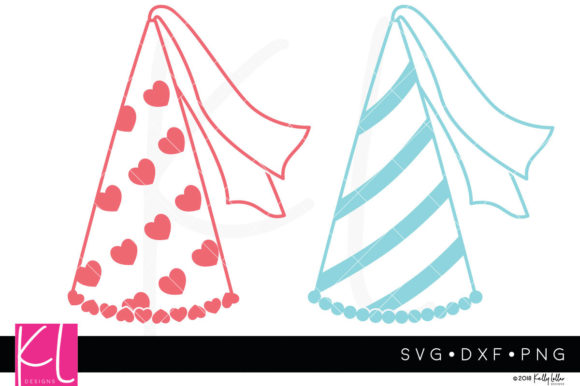
As an embroidery designer who has spent countless hours digitizing and testing files, I approach every new machine embroidery design with a critical eye. It is not just about whether the image looks cute on a screen; it is about how those stitches will behave on fabric, how they will hold up after washing, and whether they add genuine value to a finished product. Recently, I evaluated the Princess Hat design, a charming graphic featuring a hennin with heart or stripe variations. This piece falls squarely into the Crafts and Graphics category, but its potential extends far beyond simple digital assets. For Etsy sellers, boutique owners, and hobbyists, understanding the practical application of this design is key to creating high-quality handmade products.
First Impressions: Mood and Visual Personality
The first thing that strikes you about the Princess Hat is its playful yet elegant silhouette. The hennin, a classic cone-shaped medieval headdress, is instantly recognizable and evokes a sense of whimsical storytelling. The inclusion of heart or stripe variations adds versatility, allowing the design to shift from a romantic Valentine’s theme to a more general royal or fantasy aesthetic. The layout feels balanced, with the flowing fabric elements providing a sense of movement that prevents the design from looking static or stiff. For a designer, this visual personality suggests that the file is intended for projects that celebrate imagination and joy. It does not try to be overly realistic, which is a smart choice for embroidery, as it avoids the pitfalls of excessive detail that can get lost in thread.
Real-World Application: From Digital File to Finished Product
To truly assess an embroidery file, I imagine it in specific use cases. I recently considered this design for a custom children’s sweatshirt project. The goal was to create a personalized gift for a young girl who loves dress-up. The Princess Hat worked beautifully here because the shape is distinct even at a moderate size. When stitched onto a soft cotton blend, the design became the focal point of the garment without overwhelming it. The heart variation, in particular, lent itself well to a Valentine’s Day capsule collection for a small shop product line. It is easy to see how this could also translate to a tote bag design, where the larger surface area allows the flowing fabric details to breathe.
Beyond apparel, I envision this design working well on nursery decor items. A pillow cover or a blanket featuring the Princess Hat could serve as a delightful accent in a child’s room. The design’s clean lines make it suitable for baby embroidery, provided the stitch density is managed correctly to ensure comfort against sensitive skin. For craft business owners, this versatility is a major selling point. You are not limited to one type of product; you can offer the same design on caps, aprons, or even as an embroidered patch, maximizing the return on your digital embroidery file investment.
Technical Considerations and Stitching Performance
While the aesthetic appeal is strong, the technical execution is where many designs fail. In my review, I paid close attention to how the Princess Hat would handle different fabric textures and hoop sizes. The design appears to rely on a mix of fill stitch areas for the hat’s body and potentially satin stitch or running stitch for the outlines and decorative hearts. This combination is generally reliable, but it requires careful attention to stabilizer selection. For stretchy fabrics like jersey knits used in t-shirts or sweatshirt embroidery, a cut-away stabilizer is essential to prevent puckering around the denser parts of the design.
One area to watch is the fine details in the flowing fabric sections. If the design includes very thin lines or tiny corners, these can be prone to breaking or looking messy if the thread tension is not perfectly calibrated. I always recommend testing the design on scrap fabric first, ideally using the same thread colors and material you plan to use for the final product. This step is crucial for identifying any issues with stitch density before committing to a customer’s garment. Additionally, if you are working with dark fabric, you may need to adjust the underlay or use a lighter top thread to ensure the design pops, though the contrast inherent in the heart or stripe variations should help maintain visibility.
Navigating Challenges: Where to Use Caution
No design is universal, and the Princess Hat is no exception. I would advise caution when applying this design to curved surfaces like caps. The conical shape of the hennin might distort if not hooped correctly or if the cap’s curvature conflicts with the design’s geometry. Similarly, avoid using this on very thin or delicate fabrics without proper backing, as the weight of the stitches could cause the material to sag or tear. For products that require frequent washing, such as kitchen towels or active wear, ensure that the thread colors are colorfast and that the stitch count is not so high that it creates a stiff, uncomfortable patch on the fabric.
Another consideration is the scale. If you attempt to shrink the Princess Hat too much for a small hoop size, the intricate details of the hearts or stripes may merge together, losing their definition. Always check the recommended minimum size provided with the design assets. If such details are not explicitly provided in the product description, it is wise to contact the seller or run a series of test stitches at decreasing sizes to find the limit of clarity.
Enhancing Brand Value and Customer Trust
For commercial embroidery professionals and Etsy sellers, the quality of your design directly impacts your brand consistency and customer trust. A well-executed Princess Hat embroidery project signals professionalism. It shows that you care about the finish and durability of your handmade product. When customers receive a personalized gift that looks crisp and holds up over time, they are more likely to leave positive reviews and return for future purchases. Using high-quality design assets like this one can elevate your small shop product offerings, making them stand out in a crowded marketplace.
Moreover, the thematic flexibility of the design allows for creative marketing. You can position it as holiday embroidery for Valentine’s Day or as part of a year-round fantasy-themed collection. Creating printable mockups that showcase the design on various items can help buyers visualize the end result, increasing buyer engagement and conversion rates. However, always confirm licensing terms before selling finished items or digital products. Ensure that your use of the Princess Hat complies with the creator’s guidelines for commercial use.
Final Verdict for Designers and Makers
In conclusion, the Princess Hat is a solid addition to any embroidery designer’s library. Its charm lies in its simplicity and emotional resonance, making it ideal for personalized gifts and custom apparel. By paying attention to technical details like stabilizer choice, thread contrast, and appropriate scaling, you can ensure that every stitched piece meets high standards. Whether you are creating a bespoke item for a client or stocking your online store, this design offers the flexibility and visual appeal needed to succeed in the competitive world of handmade crafts. Remember to test thoroughly, respect the limitations of your materials, and let the playful spirit of the design shine through in your finished product.