Reviewing the Friends Are Always Welcome Sign Design
As a designer who spends more time staring at stitch simulations than actual fabric, I have learned that not every graphic translates well into thread. Some designs look fantastic on a screen but turn into a tangled mess under the needle. Recently, I evaluated the Friends Are Always Welcome Sign embroidery design to see if it holds up in real-world production. This isn’t just about aesthetics; it is about functionality, durability, and commercial viability for craft businesses.
The first impression of this piece is warm and inviting. It captures a sentiment that resonates deeply with homeowners and gift-givers alike. The layout suggests a rustic or farmhouse aesthetic, which remains a dominant trend in home decor and personalized gifts. However, moving from a digital preview to a physical embroidery project requires a critical eye. I wanted to know if the lines were clean, if the text would remain legible after stitching, and how it would perform on various textiles.
Real-World Application: Beyond the Wooden Door
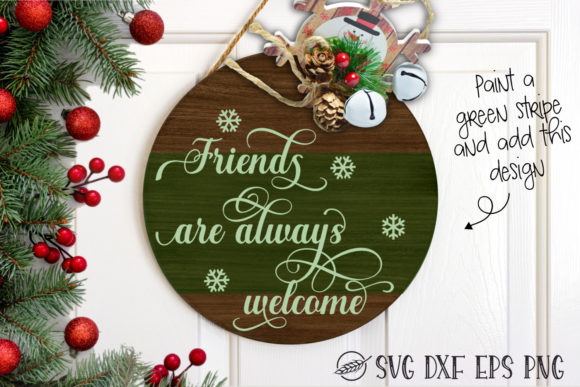
The product description mentions making a wooden door sign, which is a lovely idea for painted crafts. But as an embroidery specialist, I immediately looked past the wood. The true potential of this Graphics asset lies in its adaptability to soft goods. I tested the design mentally against several common items in my workshop inventory.
Imagine this design stitched onto a heavy canvas tote bag design. The welcoming message pairs perfectly with the utility of a market bag. Alternatively, consider sweatshirt embroidery on a neutral oatmeal-colored crewneck. The phrase "Friends are always welcome" creates an instant emotional connection, turning a basic garment into a cherished personalized gift. I also visualized it on a kitchen towel or apron, where the theme of hospitality feels most at home. For Etsy sellers and small shop product creators, this versatility is key. You are not just selling a stitch pattern; you are selling a feeling of belonging.
Technical Performance and Stitch Quality
When evaluating any machine embroidery design, I look closely at the transition between elements. Does the design rely heavily on satin stitch for the lettering, or does it use a simpler running stitch? For a phrase like this, clarity is paramount. If the font is too script-heavy or intricate, it may lose definition on textured fabrics. Based on the visual structure, this design appears to balance decorative elements with readable typography, which is crucial for customer satisfaction.
I paid particular attention to the stitch density. Dense areas can cause puckering, especially on lighter materials. If this design includes large filled areas or thick borders, using the correct stabilizer is non-negotiable. For a project like this, I would recommend a cut-away stabilizer for garments that will be washed frequently, such as t-shirts or baby clothes. For home decor items like pillow covers that see less agitation, a tear-away might suffice, provided the fabric is stable enough to hold the tension.
Another consideration is the use of thread colors. The design’s impact relies heavily on contrast. On a dark navy hoodie, you would need bright, contrasting threads to ensure the message pops. On a natural linen tote, earthy tones might blend too much unless you choose a deep chocolate or charcoal thread. Always test your color combinations on scrap fabric before committing to the final finished product.
Navigating Fabric Challenges
Not every fabric is a friend to every design. While the sentiment is universal, the execution must be tailored to the material. Here is where caution is needed:
- Stretchy Fabrics: If you are applying this to a jersey knit or a stretchy cap, the design must be digitized with pull compensation in mind. Without it, the letters may distort or pucker the fabric.
- Textured Fabrics: Towels and fleece have high piles. A design with fine details or thin running stitch outlines can get lost in the texture. Ensure the main elements have enough weight to stand out.
- Dark Fabrics: Stitching light thread on dark fabric can sometimes show the underlying material through the stitches. Using an underlay or a backing fabric can help achieve solid coverage.
- Small Hoop Sizes: If you are working with a 4x4 hoop, check the dimensions carefully. Cramping a long phrase into a small space reduces legibility and increases the risk of thread breaks.
For those interested in applique design techniques, consider whether this graphic could be adapted. Sometimes, replacing filled areas with fabric applique can reduce stitch count and add a unique tactile dimension to the handmade product. However, since this is primarily a text-based quote, traditional stitching is likely the best approach to maintain readability.
Commercial Viability for Craft Businesses
For commercial embroidery professionals and craft business owners, time is money. A design that stitches quickly and cleanly is more profitable. The Friends Are Always Welcome Sign seems suited for moderate run times, assuming it doesn’t have excessive overlapping fills. It fits well into categories like holiday embroidery for housewarming seasons or year-round custom apparel lines.
From a branding perspective, this design supports a narrative of warmth and community. It works exceptionally well for boutique branding where the focus is on handmade quality. When listing this on platforms like Etsy, use high-quality printable mockup images to show the design on various products. Show it on a mug wrap, a tote, and a shirt. This helps buyers visualize the end result and increases buyer engagement.
However, always verify the licensing terms. Just because a file is labeled as Crafts or digital embroidery file does not automatically grant unlimited commercial rights. Check if the creator allows for mass production or if there are limits on the number of finished items you can sell. Protecting your business from copyright issues is as important as protecting your thread tension.
Final Designer Notes and Best Practices
Before you load this design into your machine, take these practical steps to ensure success:
- Test on Scrap: Never skip the test stitch. Use the same fabric and stabilizer combination you plan to use for the final item.
- Check Contrast: View your design in black and white on your computer screen. If the details disappear in grayscale, they will likely be hard to see when stitched.
- Inspect Details: Zoom in on the corners of the letters. Are there sharp turns that might cause thread bunching? If so, consider adding tie-offs or adjusting the pathing if you have editing software.
- Hoop Size Confirmation: Ensure the design fits comfortably within your hoop with adequate margin for clamping.
- Customer Expectations: If selling as a personalized gift, communicate clearly with clients about font choices and thread colors to avoid dissatisfaction.
In conclusion, the Friends Are Always Welcome Sign is a strong contender for designers looking to add heartfelt, hospitable themes to their portfolio. It bridges the gap between digital design assets and tangible, emotional connections. Whether you are creating an embroidered patch for a jacket or a full-front sweatshirt embroidery piece, this design offers a classic appeal. With careful attention to fabric choice and stitch settings, it can become a staple in your small shop product lineup. Remember, the best embroidery is not just about perfect stitches; it is about creating something that makes people feel seen and welcomed.