Reviewing Georgia Small Town Girl for Embroidery
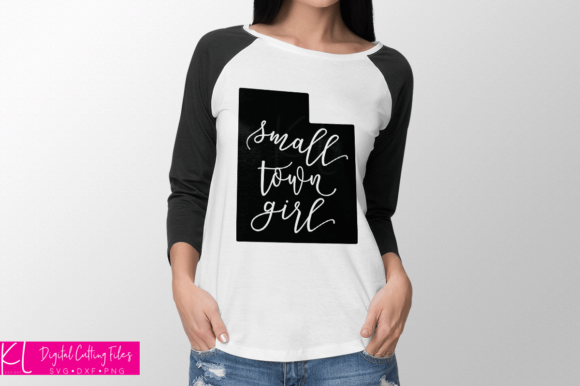
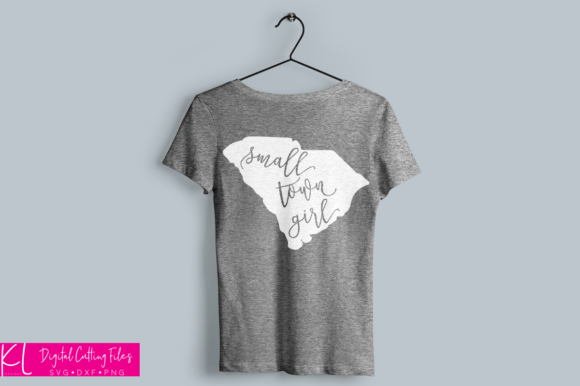
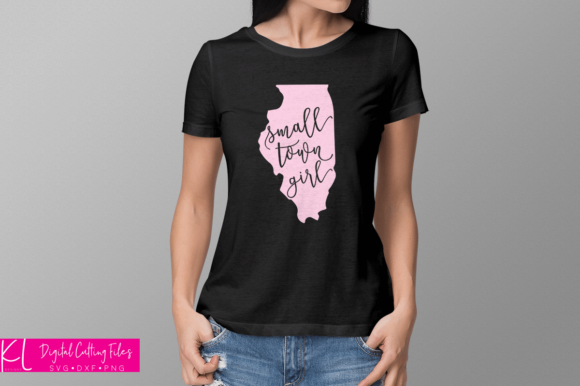
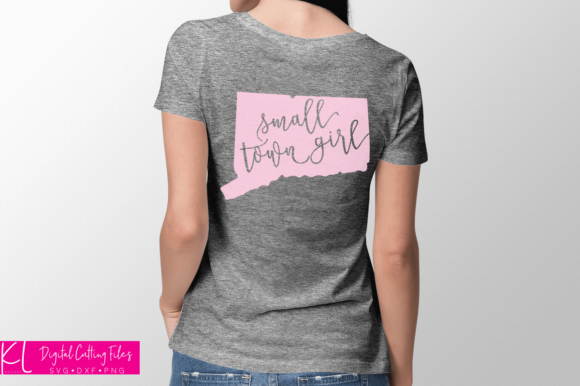
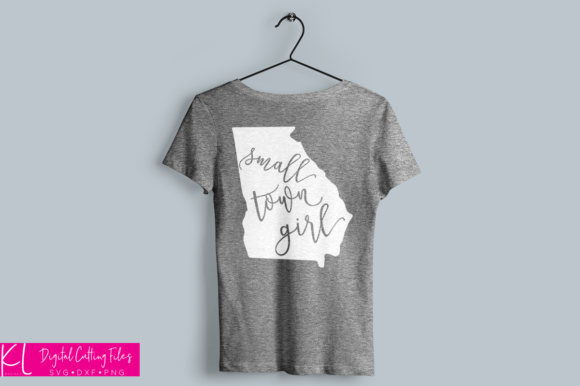
As a designer who spends half my life digitizing and the other half stitching, I have learned that not every graphic translates well to thread. Some designs look stunning on a screen but turn into a tangled mess of bobbin thread and frustration under the needle. When I first pulled up the Georgia Small Town Girl design, I was looking for more than just aesthetic appeal; I was evaluating its viability for real-world production. This piece, featuring the outline of the state with a "Small Town Girl" quote knocked out and a hand-drawn heart for personalization, sits at the intersection of sentiment and style. It is a classic example of how simple concepts, when executed correctly, can become powerful assets for craft businesses and handmade shops.
First Impressions and Visual Personality
The immediate mood of this design is nostalgic and grounded. It does not scream for attention with excessive detail or complex shading. Instead, it relies on strong silhouettes and negative space. The state outline provides a recognizable anchor, while the knocked-out text creates a clean, modern contrast against the fill. For an embroidery project, this is a promising start. Complex gradients and tiny serif fonts are often the enemies of clear stitching, but the hand-drawn nature of the heart and the boldness of the state shape suggest a design that will read well from a distance.
The visual personality here is approachable. It feels like something you would see in a boutique in Athens or a gift shop in Savannah. For Etsy sellers and small shop owners, this type of imagery resonates deeply with customers who value local pride and personal identity. It is not just a graphic; it is a statement of belonging. When considering this as part of your digital embroidery file library, recognize that its strength lies in its simplicity. It avoids the clutter that often plagues lower-quality designs, offering a clean canvas for customization.
Real-World Application: The Custom Tote Scenario
To truly test the worth of a design, I imagine it on a finished product. Let us consider a natural cotton tote bag, a staple for any craft business. I envision stitching Georgia Small Town Girl onto a natural canvas tote. The texture of the canvas provides a sturdy base, allowing the stitches to sit prominently without sinking into the weave. In this scenario, the design acts as a focal point. The heart element, intended for personalization, becomes the hook. A customer might request their specific hometown coordinates or name inside that heart, transforming a standard item into a cherished personalized gift.
This adaptability is crucial for commercial embroidery. Whether you are creating sweatshirt embroidery for a local college group or baby embroidery for a shower gift, the layout holds up. On a sweatshirt, the design would likely need to be scaled up to ensure the text remains legible. On a baby onesie, it would need to be scaled down significantly, which brings us to important technical considerations regarding stitch density and detail retention.
Technical Performance and Stitching Clarity
When evaluating any machine embroidery design, we must look beyond the preview image. How does it handle the mechanics of stitching? The state outline likely utilizes a satin stitch or a dense running stitch to create a crisp border. This is effective for defining shape, but it requires precise tension settings. If the tension is too loose, the outline may gap; if too tight, it may pucker the fabric. The fill area inside the state, where the text is knocked out, needs to be balanced. Too much fill stitch density can make the fabric stiff and heavy, which is undesirable for apparel like t-shirts or lightweight aprons.
The "knocked out" text technique is smart for readability, but it demands high contrast. If you are stitching this on a dark fabric, you must choose light thread colors for the state outline to make the negative space visible. Conversely, on light fabric, a darker thread will define the shape. I always recommend testing the design on scrap fabric first. Check how the thread colors interact with the fabric texture. A textured linen might obscure fine details, whereas a smooth cotton poplin will showcase the precision of the digitizing.
Navigating Challenges: Hoop Size and Fabric Choice
While Georgia Small Town Girl is versatile, it is not without its constraints. The primary challenge lies in the scale. The text "Small Town Girl" and the personalization space within the heart are relatively small elements. If you attempt to stitch this in a small hoop size, such as a 4x4 inch hoop, you risk losing legibility. The letters may merge, and the heart might become a blob of thread. For best results, this design belongs in a 5x7 or larger hoop, where the details can breathe.
Fabric choice also plays a pivotal role. Stretchy fabrics like jersey knits require a robust stabilizer to prevent distortion. Without proper stabilization, the circular motion of the embroidery hoop can stretch the fabric, causing the state outline to warp. For curved surfaces like caps, this design might be tricky due to the width of the state shape. Caps have limited vertical and horizontal space, and the wide aspect ratio of Georgia might not fit comfortably on the front panel without significant resizing, which could compromise the text clarity. Always confirm hoop size compatibility and check whether the design works for both personal and commercial projects before committing to a large batch.
Enhancing Product Value and Brand Consistency
From a business perspective, this design adds tangible value. It allows for customization, which is a key driver in the handmade market. Customers are willing to pay a premium for items that feel unique to them. By offering the heart as a personalization spot, you create an interactive experience. This boosts buyer engagement and trust, as the customer feels involved in the creation process. For brand consistency, if your shop focuses on Southern charm or local pride, this asset fits seamlessly into your catalog alongside other regional designs.
Furthermore, the clean lines of the design make it ideal for printable mockups. High-quality previews are essential for online sales. Because the design is not overly complex, it renders clearly in digital simulations, helping potential buyers visualize the finished product. This reduces return rates and increases conversion. Whether you are selling the digital embroidery file itself or the stitched finished product, the professionalism of the design reflects on your brand.
Practical Designer Notes for Success
Before you load this design into your machine, take a moment to review the technical specs. Since exact stitch counts and file formats are not provided in the basic description, you must check these details with the provider. Ensure you have the correct format for your machine, whether it is PES, DST, or another standard. Test the stitch density on a similar fabric to your final product. Use a cut-away stabilizer for garments that will be washed frequently, as it provides lasting support.
Inspect the small details closely. Zoom in on the digitized file to ensure there are no unnecessary jump stitches or loose ends that could cause threading issues. Compare light and dark fabric backgrounds to determine your thread palette. A monochromatic look can be sophisticated, but a contrasting thread color often highlights the craftsmanship better. Finally, confirm licensing terms. If you plan to use this for commercial embroidery, ensure you have the rights to sell the stitched items. Responsible use of design assets protects your business and respects the creator's work.
In conclusion, Georgia Small Town Girl is a solid addition to any designer’s toolkit. It balances emotional appeal with practical stitchability. With careful attention to hoop size, stabilizer choice, and thread contrast, it can elevate a simple piece of fabric into a meaningful keepsake. For the serious crafter or Etsy seller, it represents the kind of reliable, versatile graphics that form the backbone of a successful product line.