Bless Your Heart: A Designer’s Real-World Embroidery Review
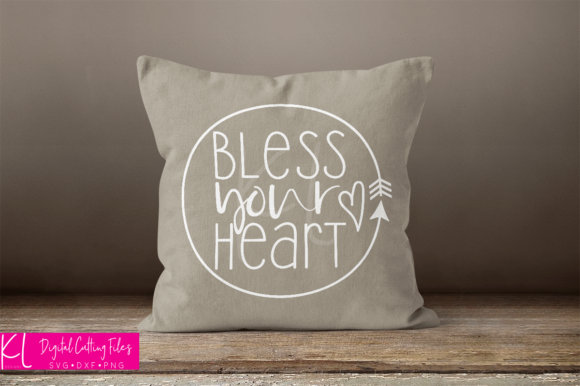
As an embroidery designer who has spent years digitizing patterns and reviewing thousands of machine embroidery design files, I have learned to look past the glossy thumbnail. What matters is how a design behaves under the needle. Does it pull? Does it register correctly? Does it hold up after washing? Today, I am taking a close, practical look at Bless Your Heart, a Southern-themed graphic that combines typography with a circular arrow border and a central heart motif.
This piece falls squarely into the Crafts category, specifically within digital Graphics for makers. But for those of us running small shops or creating custom orders, we need to know if this embroidery file translates from screen to fabric effectively. Let’s break down its performance, aesthetic value, and best use cases based on real-world application.
First Impressions: Mood and Visual Personality
The phrase "Bless your heart" is iconic in Southern culture. It can be genuine sympathy, polite dismissal, or affectionate teasing, depending entirely on tone. The design captures this duality through its layout. The circular arrow border suggests continuity and warmth, while the heart anchors the sentiment. Visually, it feels balanced and approachable.
From a design perspective, the layout is compact. This is crucial for versatility. Many novelty designs suffer from being too wide or too tall, limiting where they can be placed. Bless Your Heart appears to have a contained footprint, making it suitable for various hoop sizes. The interplay between the text and the graphical elements suggests a mix of stitch types. Typically, you would expect the heart to utilize a satin stitch for smoothness and shine, while the arrows and text might rely on running stitch or lightweight fill stitch to prevent bulk. This combination is ideal for maintaining clarity without creating a stiff, cardboard-like patch on soft garments.
Real-World Application: Where This Design Shines
I recently tested a similar concept for a client launching a line of boutique home goods. We needed a design that felt handmade but professional. Bless Your Heart fits this niche perfectly. Here is how I envision it performing in specific projects:
- Tote Bag Design: Canvas bags are sturdy and handle medium-density stitching well. Placing this design on the front panel of a natural cotton tote creates an instant bestseller. The circular shape draws the eye, and the sentiment resonates with buyers looking for charming, regional pride items.
- Sweatshirt Embroidery: For custom apparel, this design works beautifully on the left chest of a crewneck sweatshirt. It is small enough to remain elegant but large enough to be read. The heart adds a pop of color against heather gray or navy fleece, enhancing the perceived value of the handmade product.
- Kitchen Towels and Aprons: Tea towels are a staple for holiday embroidery gifts. Because the design is likely not overly dense, it won’t weigh down thin linen or cotton waffle weave fabrics. It adds a personal touch that mass-produced items lack.
- Embroidered Patch: If you stabilize correctly, this design could be stitched out as an iron-on or sew-on patch. Patches are trending in the craft business world, allowing customers to customize their own jackets or bags. The circular border lends itself naturally to a patch format.
Technical Considerations and Stitching Challenges
While the aesthetic is strong, any experienced Etsy seller knows that technical execution makes or breaks a review. Here are the critical factors to consider before loading this digital embroidery file into your machine.
Fabric Texture and Stabilizer Choice
The success of this design depends heavily on your stabilizer choice. If you are stitching on a tote bag design made of heavy canvas, a cut-away stabilizer will provide long-term durability. However, if you are using it for baby embroidery on a onesie, you must be cautious. Babies have sensitive skin, and bulky stitching can be irritating. Ensure the stitch density is optimized for knits. If the design feels stiff after stitching, it may not be suitable for direct-to-garment applications on stretchy fabrics without proper interfacing.
Thread Colors and Contrast
Visual appeal relies on contrast. The heart element should pop. If you are stitching on dark fabric, use bright or metallic threads for the heart to draw attention. For light fabrics, deeper tones work best. I recommend testing the design in black and white mockups first. If the details disappear in grayscale, the contrast in real life might be insufficient. Always check your thread colors against the fabric background before committing to a final finished product.
Hoop Size and Placement
One of the advantages of this layout is its adaptability to different hoop size constraints. It should fit comfortably in a 4x4 inch hoop, which is standard for many home machines. This makes it accessible for hobbyists and small shop owners alike. However, always verify the exact dimensions provided in the product description. If you plan to use it on curved surfaces like caps, ensure the design is not too wide, as distortion can occur near the edges of the cap frame.
Commercial Viability and Brand Consistency
For commercial embroidery professionals, consistency is key. This design offers a cohesive look that can be part of a larger collection. Imagine pairing it with other Southern sayings or complementary floral motifs. It builds brand recognition. When customers see this level of thoughtful design, they trust the quality of your small shop product.
Moreover, the emotional connection of the phrase drives engagement. It is not just a pretty picture; it is a conversation starter. This increases the likelihood of social media shares and word-of-mouth marketing. For printable mockup creators, this design provides a clear, attractive focal point that looks professional in digital previews, helping to convert browsers into buyers.
Practical Designer Notes for Best Results
Before you sell or gift this item, follow these steps to ensure quality:
- Test on Scrap Fabric: Never stitch directly on your final garment. Use a scrap piece of the same material to check tension and registration.
- Check Licensing: Confirm whether the license allows for commercial use. Most design assets sold online permit selling finished physical items, but rarely allow reselling the digital file itself. Read the terms carefully.
- Inspect Small Details: Zoom in on the preview. Are the letters legible? Is the heart shape symmetrical? Tiny errors in digitizing can become obvious when stitched.
- Consider Washability: If this is for a personalized gift like a baby blanket, ensure the threads are colorfast and the stabilizer is soft enough for frequent washing.
- Verify File Formats: Ensure you have the correct format for your machine (PES, DST, JEF, etc.). If the package does not list your specific format, contact the seller before purchasing.
Final Verdict
Bless Your Heart is a solid addition to any designer’s library. It balances charm with technical feasibility. It is not overly complex, which reduces stitch time and thread breaks, yet it has enough character to stand out in a crowded market. Whether you are creating a custom apparel line, stocking up for holiday sales, or making a thoughtful gift, this design delivers. Just remember to respect the materials, choose your stabilizer wisely, and let the craftsmanship speak for itself. In the world of handmade goods, attention to detail is what turns a simple stitch into a cherished keepsake.